|
Home
>
Master Selection Guide >
Game FAQ's > Starting A Commercial Arcade / Family Entertainment
Center Information Guide
|
|
Starting a Family Entertainment Center
/ FEC | Fun Center | Commercial Arcade Game Room |
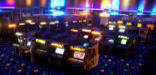
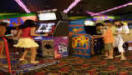
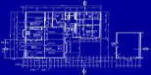
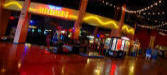
 |
BMI
Gaming's Commercial Arcade Sales Team
are experts
in helping you select the most suitable and most profitable mix
of
Arcade, Sports and Redemption Games, all at
the very best prices available, and also provides arcade business
planning, interior,
space and theme design and internet,
viral, social and event marketing services to all Family Entertainment
Centers and Arcades. |
|
Guidelines
For Starting / Planning Family Entertainment Centers and Commercial
Arcades
Starting a new amusement business can be a rewarding
experience but it must be planned out
properly in order to succeed. First you must consider the feasibility
of the idea in the region that
you wish to operate in. For this we offer world-class feasibility
studies handled by our Arcade,
FEC and LBE (Location-Based Entertainment) partner consultants.
We also offer a wide variety
of additional services such as business planning, layouts, theming,
training and more.
For more information on all entertainment-related
consulting services we provide,
please click here
Please note that due to the dynamic nature
of our industry, with product availability and pricing
changing with little notice, we cannot create amusements or
arcade machine cost estimates
more than 6 months in advance
of purchase. But we can offer amusement builders/buyers
some
generalized equipment cost estimates, based upon the
information you provide us.
|
|
Commercial
Arcades and Family / Location-Based Entertainment Centers Overview
:
The following guide offers some basic insights,
facts and thoughts on starting new arcades
and Family Entertainment Centers worldwide - Although not a
comprehensive startup guide, it
does covers a number of important steps, points and issues that
should be recognized prior
to planning a successful commercial arcade, fun center or family
entertainment center facility.
Arcades, Family Entertainment Centers (FEC), Fun
Centers and LBE's ("Location-Based
Entertainment" in amusement industry jargon) facilities are
a very popular form of entertainment
across the world, especially in emerging / developing regions
such as Africa, Eastern Europe,
East Asia, South America and the Middle East, as parents increasing
seek fun, yet safe and
wholesome activities for their children, along with teens and
adults seeking public excitement.
The typical floor space for Family Entertainment Centers
runs from 8,000 Sq Ft (2400 Sq M)
to 50,000 Sq Ft (15,000 Sq M) or more, and the typical "standalone"
arcade game room ranges
from 1,500 to 5,000 Sq Ft (475-1525 Sq M) in size, with
a complete turnkey budget for FEC's
starting about $1,000,000, and smaller traditional arcades starting
around $250,000 - A good
"rule of thumb" for budgeting many facilities uses $125 - $300
per Sq Ft or $410 - $985 / Sq M
for total project costs, but depends a great deal on where in
the world the facility will be located.
Another way to estimate costs of equipping a space with
arcade games into locations such as
small arcade spaces and game rooms for bars, restaurants, hotels,
resorts, casinos, cruise
ships and such, would be to calculate using 10 to 15 games per
1,000 Sq Ft (300 Sq M) and
using a average installed game price from $5,000-$15,000 per
game, for budgetary purposes.
Small arcades and game rooms under 3,000 Sq Ft
(900 Sq M) are generally easy to plan, design
and implement, with the assistance from one of our experienced
Commercial Arcade Consultants
helping to select the correct mix of games depending on your
location, space, demographics and
budget. Most small arcades and game rooms can be planned and
launched within 12 to 18 weeks.
Larger facilities over 8,000 Sq Ft (2400 Sq M) usually
take much longer to correctly plan, budget,
design, construct and furnish, and typically take from 6 months
to over two years to launch.
Of course, these are just generic examples of typical project
costs and times, and these figures
can vary depending on the complexity and size of the facility,
as well as the geographical location.
As opposed to smaller traditional arcades stocked with the latest
video arcade and sports games,
most Family Entertainment Centers and LBE's include a large
redemption arcade game area, and
many times include "large format" attractions such as bowling
alleys, go-cart tracks, batting cages,
motion theater and ride simulators, laser tag rooms, miniature
golf courses and other amusement-
park like components, along with extensive food and beverage
operations, birthday party rooms, etc.
Because a single Arcade or FEC's success is mainly dependent
on repeat local customer visits,
they are usually located near high-density residential areas,
schools, malls, high traffic retail and or
commercial zones. The correct size and location for a profitable
facility depends on many factors,
but the population size (within a 30 minute drive of your proposed
location) combined with current
local area demographics and factoring in any competitors currently
operating in or around your
geographical area are some of the most important ones to consider
during the "feasibility" stage.
Planning a large commercial arcade or Family Entertainment
Center is not a small undertaking.
Are you looking to open a small arcade geared towards teens
and adults, or one catering to kids
and their parents similar to "
Chuck E Cheese " ? Or perhaps a version of a "
Dave and Busters "
style facility, complete with arcade and extensive food and
beverage operations, catering to young
and middle-aged adults with a bar that serves alcohol, or perhaps
some entirely new approach ?
|
|
Family Entertainment Center, Fun Center, Arcade and LBE Development
Checklist :
In the beginning stages of forming a new arcade,
Family Entertainment Center or LBE plan, there
are a few crucial steps that must be completed prior to purchasing
any arcade equipment - And
as you will read below, purchasing equipment is one of the last
items on the general checklist.
Good planning for any business is essential, and in the arcade
business there are some basics
that must be addressed upfront. Your most immediate concern,
outside of creating a business plan
and obtaining financing, is being sure that you can secure zoning
approval for your facility from your
local "zoning board" (in most countries) before you proceed.
Although most governments have now
relaxed some of the strict zoning codes that have discouraged
facilities from opening in the past,
there are a few areas where entertainment locations are strictly
regulated, or banned in rare cases.
There are many points to consider while planning your project
covered below, but having a well
prepared business plan for your project is crucial to its success.
Larger facilities with budgets of
$750,000 or more should count on obtaining a comprehensive Site
Feasibility Study (which can
run from 50 to 100+ pages) that will be highly instrumental
in pre-determining the future profitability
and ROI for your project, as well as being a highly instrumental
tool in securing project financing
The cost for this service generally runs from $5,000 to $25,000
+, depending on the global
location
and the size / scope of the specific project being
analyzed - And your BMI Gaming /
Planet Arcade
Sales Consultant can arrange a Feasibility
Study to be conducted with the industry's top analysts.
Once you have determined the location and size of your facility,
obtained zoning approval and
conducted a feasibility study (if
needed), and have completed your initial business plan
(including
all startup and construction costs + initial year's
operational and marketing costs)
and are ready
to move ahead, the next step is to set a arcade
game "budget" and determining
the proper game
"mix" for your project, which is largely dependent
on your targeted customer
type, demographics
and type of entertainment facility.
After completing all of the below steps, your final task is
to actually purchasing arcade games and
related equipment. Depending on the type and size of your arcade,
this could include anything from
just arcade games to token changers, card swipe systems, ticket
redemption centers, counters or
machines and more. Your BMI Gaming / Planet Arcade Consultant
can help determine for you the
best way for customers to pay
for game usage, either via coins, tokens, or for larger facilities
with
40 or more games, card swipe systems and card readers that
eliminate token collection and offer
real-time, internet accessible
data on the performance and profitability of your arcade
And once you have completed all of the steps detailed below,
and you are within a few months of
opening your new facility, one of the last, but most crucial
steps is to "get the word" out to the local community about
your facility ! Entertainment facility marketing and advertising
is one of the most commonly overlooked steps in creating a highly
profitable operation, and effective marketing of your entertainment
center, both online and offline, are absolutely paramount to
future success.
|
|
General
Guidelines For Opening New Arcades, FEC's, LBE & Fun Centers:
1) Selecting the location for your Arcade
Game Room, FEC or LBE, if not already decided
The basis for a new Arcade or FEC success is very dependent
on repeat customer visits, so it should e located near
high-density / high foot traffic areas near
malls, schools, commercial and retail zones, and residential
neighborhoods.
The correct size and location for your facility
will depend on variety of factors such as local population size,
number of
other competitors and the market demographics
within your area, along with the size and budget of your project.
2) Determine if building or leasing this
facility, if you do not have a existing location
3) Obtaining zoning approval for location
from your city, county or state government
Before you continue your path towards opening a new Arcade or
FEC facility, you must insure that this type of
business can be granted zoning approval if
required, which is usually from your local area's "zoning board",
before proceeding further. Some areas in the
past discouraged arcades FEC's from opening in their area,
so it is mandatory you check with your local
authorities first.
4)
Create a business plan + budget with
operational expenses, target audience, and
conduct a Feasibility Study to insure profitability (facilities
larger than 8000 Sq Ft)
If you new facility will cost more than $750,000 USD, a initial
Feasibility Study is the only safe way to determine
that your project will be profitable and suitable
for your desired location. Feasibility Studies can run anywhere
from
$5,000 to $25,000 + USD, depending on the location
and size of the project. BMI Gaming uses the industry's top
experts to conduct these studies on your behalf
to determine if your project is both financially and technically
feasible,
and that the revenue, expense and development
costs are realistic and achievable. Rather than delivering a
"stock"
development formula, as many "consultants"
do (and which in many cases may be obsolete), our feasibility
studies
are bespoke, custom-tailored reports generated
to find opportunities, advantages or weaknesses in your local
area
marketplace, created by lack of competition,
and unique characteristics of your market population and demographics.
 Click here to learn more about BMI Gaming's Arcade / FEC / LBE
Feasibility & Planning Services
Click here to learn more about BMI Gaming's Arcade / FEC / LBE
Feasibility & Planning Services
5) Securing private investor, bank, family
or other financing for your facility's construction
This is one of the few steps you are solely responsible for,
but for large projects over $1MM USD, with your feasibility
study and business plan documents in hand,
these will be the keys that will greatly assist you find and
secure either
private investor, bank or government financing
approval.
6)
Creation of the facility's theme,
design, floor plan and construction details, as needed
Planning, designing, theming
and building a successful family entertainment center (FEC)
, fun center, arcade,
theme park, amusement park or location-based
entertainment facility (LBE) should always include expert advise
and review. Our global team of amusement
industry experts and consultants are ready to share our extensive
knowledge on arcade design, planning,
theming and construction, along with arcade industry "best practices".
Click here to learn more about BMI Gaming's Arcade / FEC / LBE
Design + Theming Services
7) Construction and/or renovation
of facility, based on design and floor plans created
8) Purchase of equipment / furnishings
about 3 to 5 months prior to launch date
After completing the above tasks, the final decision is what
type of arcade games and other types of amusement
equipment to purchase for your facility, which
will be determined usually by the size and type of facility
you are
opening. This can range from video arcade games,
redemption arcade games, motion simulators and large
attraction rides and machines, to token machines
or newer swipe card systems that eliminate the hassle and
security issues with token use, while providing
real-time data on the profitability of your games, and the ability
to
re-program game prices remotely, so you can
offer special game prices for "happy hour" or set all games
on
"free-play" for parties or other types of game
promotions, which is time consuming for token-operated games.
9) Creating marketing + advertising
plans to announce the opening of your new facility
There are many types of effective marketing venues, tools and
methods to choose from, and among these choices,
some of the most effective can be direct
advertising, like display ads in local entertainment guides,
newspapers,
radio, television or cable channels,
and by offering discount coupons through local and social media
channels,
and creating a high-quality website that
showcases your facility and services. Partnering with your local
schools,
churches, charities, youth centers and
non-profits organizations to offer group discounts can also
be very effective.
And finally, creating high-quality print
and online brochures that details everything your facility has
to offer clients,
from birthday parties to corporate gatherings,
is a must for the facility's future success.
|
|
How To Get Started Planning Your New Arcade, FEC or LBE
Facility ::
BMI Gaming's
Family Entertainment Center Global Arcade Consultants
are ready to share
with you our in-depth knowledge of current arcade industry trends
and extensive knowledge of the
industry's best practices and products, when you are ready to
start your new entertainment project
or upgrade your existing location. We can provide thoughtful
guidance in areas from arcade game
selection to initial site selection, feasibility studies, space
planning, interior design, building plans,
food and beverage operations, prize redemption centers and marketing
of your business, along
with some great ideas for your initial opening and the successful
promotion of your new facility.
Most new or potential
Arcade / FEC facility owners have lots of unanswered questions
like :
How many games should I buy? What type of games should I
get? How much space do I need, or
how many games will fit in my space? What do typical games cost?
Are their governmental laws
affecting arcades? What about liability insurance? Where should
I locate my arcade? Should I target kids, adults or both? What
is the best way to advertise my arcade? Should I buy or
lease
my games?
If you are
not ready to
take the first step in planning
your Arcade or FEC at this time, and
you are just looking for some
general information on
starting a new arcade, fun center or family entertainment center,
you might want to read our section on
Starting a New Arcades and
Family Entertainment Centers
for some additional
information on the basic requirements.
If you have obtained financing
and ready to begin planning and building your facility,
our
Arcade Consultancy Service can help guide you in starting
and executing your arcade, amusement
or entertainment venue project. We are able to offer our advice
in person at your location anywhere
in the world, or via telephone or Skype, on topics such as obtaining
initial site feasibility or site selection, design and theming
services and equipment selection and procurement, all the way
to complete turnkey project management. We also offer other
many other related services from our strategic partners that
are designed to help you successfully launch your new facility
as economically and quickly as possible.
Please
note that due to the dynamic nature of our industry, with product
availability and pricing changing with little
notice we cannot offer formal product cost estimates or quotations
more than 90 days in advance of purchase.
Click link to
schedule :
Free Arcade / FEC / LBE Project
Consultancy Appointment
|
|
Family Entertainment Centers, LBE and Arcades |
Product Sales and Contact Info :
North America /
USA / Canada :
For more information about
arcade development, arcade development and planning, purchasing
arcade equipment,
detailed game specifications, game prices and game shipping,
please contact our Global Sales Department from
9:00am to 5:00pm (USA / GMT -4) Monday to Friday at
+561-581-1020 or anytime via
our
Sales Inquiry Form
South America /
Mexico / Spain :
Please contact our
Latin American Sales Department (en Español) for more
information about arcade development and planning, purchasing
arcade equipment, detailed game specifications, game prices
and shipping from 9:00am to 6:00pm EDT [GMT- 4] Monday to Friday
at + 561-581-0077 (Global)
or by using our
Latin Sales Inquiry Form (en Español)
Africa
/ Asia
/ Europe
/ Middle East / Oceania :
For more information about
arcade development, arcade development and planning, purchasing
arcade equipment,
detailed game specifications, game prices and game shipping,
please contact our Global Sales Department from
9:00am to 5:00pm (USA / GMT -4) Monday to Friday at
+561-581-1020 or anytime via
our
Sales Inquiry Form
En Español : Centros de Entretenimiento Familiar en Español,
LBE y Arcades Ventas
de Productos e Información de Contacto :
Clientes Latinoamericanos,
Sudamericanos y Españoles :
Contactar
Departamento de Ventas Latinoamerican está disponible
de 9:00am a 5:00pm (GMT -4) al + 561-581-0077
(USA / Global) o
por correo electrónico o
mediante chat en línea
o
Formulario de Consulta de Ventas en Español.
|





.png)